Introduction
Hair loss solutions aren’t one-size-fits-all. If you’ve been researching long-term options, two treatments usually stand out: scalp micropigmentation (SMP) and hair transplant surgery.
Both can dramatically improve appearance and confidence — but they work in very different ways.
This guide breaks down the key differences between scalp micropigmentation and hair transplants so you can decide which option best suits your goals, lifestyle, and expectations.
What Is Scalp Micropigmentation (SMP)?
Scalp Micropigmentation (SMP) is a non-surgical cosmetic procedure that creates the appearance of natural hair follicles using specialised micro-needles and pigment.
Rather than growing hair, SMP replicates the look of hair — making thinning areas appear fuller or creating a clean, closely shaved style.
SMP is commonly chosen by people experiencing:
- Receding hairlines
- Thinning crowns
- Diffuse hair loss
- Baldness
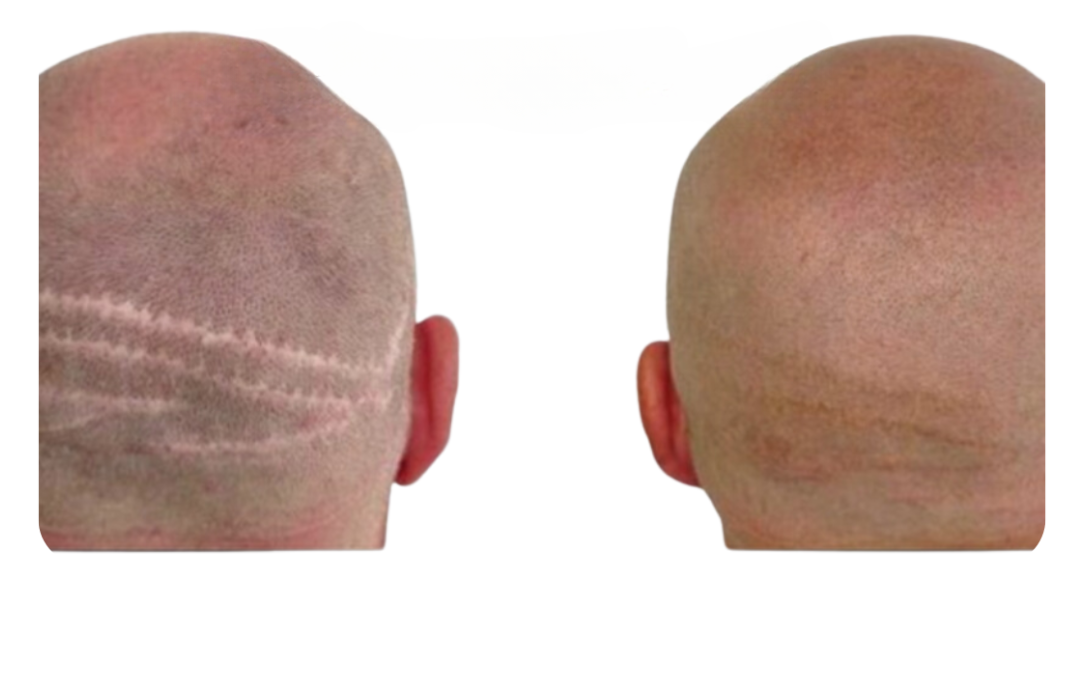
- Scar visibility from previous hair transplants or injuries
What Is a Hair Transplant?
A hair transplant is a surgical procedure that relocates hair follicles from one part of the scalp (usually the back or sides) to areas affected by hair loss.
The two most common techniques are:
- FUE (Follicular Unit Extraction)
- FUT (Follicular Unit Transplantation)
Hair transplants aim to regrow hair, but results depend heavily on donor hair quality, hair loss progression, and healing.
Scalp Micropigmentation vs Hair Transplant: Key Differences
1️⃣ Surgery vs Non-Surgical
- SMP: Non-surgical, no incisions, no scarring
- Hair Transplant: Surgical procedure with recovery time
2️⃣ Results & Appearance
- SMP: Immediate visual improvement after sessions
- Hair Transplant: Results take months and can vary
SMP results are predictable and consistent when performed correctly.
3️⃣ Maintenance & Longevity
- SMP: Minimal maintenance, occasional touch-ups over time
- Hair Transplant: Ongoing hair loss may require future procedures
4️⃣ Cost & Commitment
- SMP: Generally more cost-effective
- Hair Transplant: Higher upfront cost, potential future surgeries
5️⃣ Suitability
- SMP: Suitable for most people regardless of hair loss stage
- Hair Transplant: Limited by donor hair availability
Which Option Is Right for You?
Scalp Micropigmentation may be the better option if you:
- Want a non-surgical solution
- Prefer immediate, predictable results
- Wear your hair short or shaved
- Want to camouflage thinning or scarring
A hair transplant may suit you if:
- You want to grow physical hair
- Have strong donor areas
- Are comfortable with surgery and recovery
Many clients also choose SMP after a hair transplant to enhance density and improve overall appearance.
Final Thoughts
Both scalp micropigmentation and hair transplants can restore confidence — the key is choosing the solution that aligns with your expectations and lifestyle.
A professional consultation can help determine which option will deliver the best outcome for your hair loss pattern.
Related Reading
If you’re still exploring your options, these guides may help:
- What Is Scalp Micropigmentation (SMP) & How Does It Work?
- Does Scalp Micropigmentation Look Natural? What to Expect Before & After
Ready to take the next step? Book your free SMP assessment at The Shadow Clinic Tauranga.
Frequently Asked Questions: SMP vs Hair Transplant
Is SMP better than a hair transplant?
SMP and hair transplants serve different goals. SMP is a non-surgical cosmetic procedure that creates the appearance of hair follicles — ideal if you want immediate results, no scarring, and minimal maintenance. A hair transplant is surgical and aims to regrow physical hair, but requires donor hair, recovery time, and ongoing care. The right choice depends on your hair loss pattern, lifestyle, and expectations.
Does SMP look natural compared to real hair?
Yes. When performed by an experienced practitioner, SMP replicates the size, colour, and density of natural hair follicles. Results blend with your existing hair and skin tone. Unlike transplants, which can appear patchy or thin in certain lighting, SMP offers consistent, predictable density across the entire scalp.
Can I have SMP after a hair transplant?
Absolutely. Many clients choose SMP after a hair transplant to enhance overall density, fill in thinning areas, or camouflage FUE/FUT scars. The two treatments can complement each other — SMP adds visual density where transplanted hair may be sparse or uneven.
How long does SMP last compared to a hair transplant?
SMP is long-lasting but not permanent. Pigment gradually fades over several years, with occasional touch-ups recommended. A hair transplant moves your own hair follicles, so the transplanted hair typically grows permanently. However, ongoing hair loss in non-transplanted areas may require additional procedures or maintenance.
Is SMP painful compared to hair transplant surgery?
SMP is significantly less invasive. Most clients describe the sensation as mild discomfort rather than pain, with no anaesthetic or recovery time required. Hair transplant surgery involves incisions, local anaesthetic, and a healing period that can include swelling, scabbing, and temporary redness.