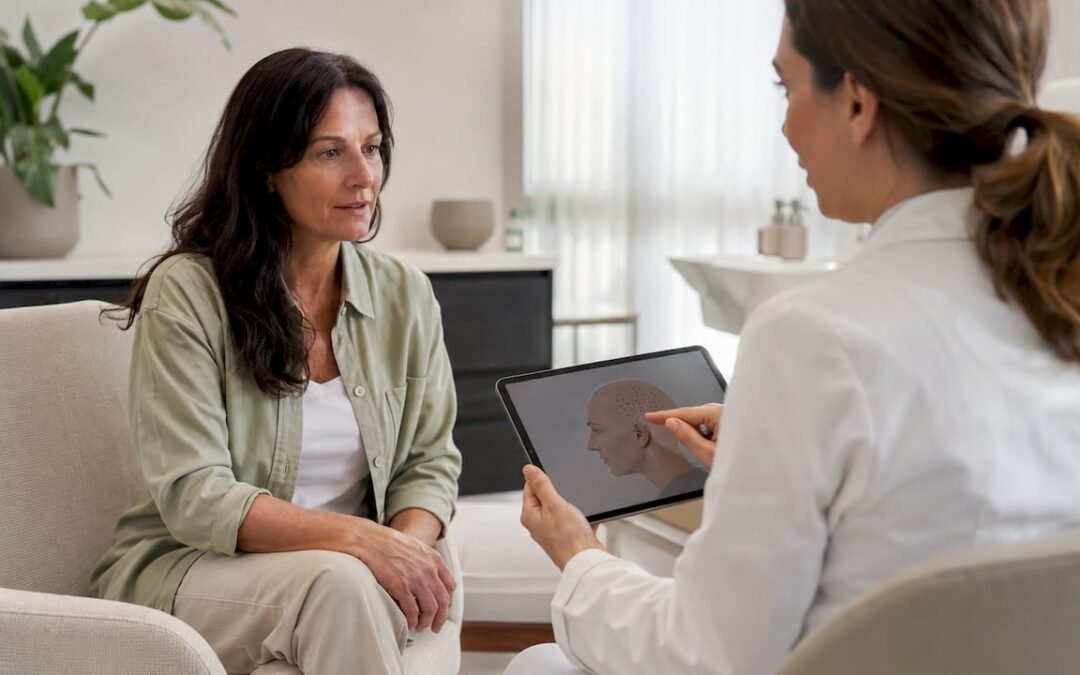
Alopecia is defined as partial or complete hair loss caused by autoimmune, genetic, or environmental factors, with distinct subtypes including alopecia areata, androgenetic alopecia, and alopecia totalis or universalis. With so many alopecia treatment options compared across clinical and cosmetic categories, choosing the right path depends entirely on your subtype, severity, and personal circumstances. Treatments range from intralesional corticosteroids and JAK inhibitors like baricitinib and ritlecitinib to scalp micropigmentation (SMP) and contact immunotherapy. Understanding how these therapies differ in mechanism, effectiveness, and tolerability is the clearest way to make a confident, informed decision.
1. Alopecia treatment options compared: the main categories
The primary alopecia treatment options fall into four categories: topical and intralesional therapies, systemic medications, immunotherapy, and cosmetic or non-surgical solutions. Each category targets hair loss through a different mechanism, and no single option works for every person or every type of alopecia.
- Intralesional corticosteroids: Triamcinolone acetonide injected directly into bald patches is first-line for patchy AA, with typical doses of 2.5 to 10 mg/mL per session. This approach suppresses localised autoimmune inflammation without affecting the rest of the body.
- Topical corticosteroids and minoxidil: Applied to the scalp daily, these are accessible first-line or adjunct options. Topical 5% minoxidil is FDA-approved for androgenetic alopecia and works best alongside corticosteroids in alopecia areata rather than as a standalone cure.
- Systemic JAK inhibitors: Baricitinib, ritlecitinib, and deuruxolitinib target the JAK-STAT inflammatory pathway directly. These are reserved for moderate to severe alopecia areata where topical treatments have failed.
- Contact immunotherapy: Agents like DPCP (diphenylcyclopropenone) and SADBE (squaric acid dibutylester) deliberately induce a mild allergic reaction on the scalp to redirect immune activity away from hair follicles.
- Other systemic options: Methotrexate, cyclosporine, and phototherapy (including PUVA and narrowband UVB) are used in refractory cases, though evidence is less robust than for JAK inhibitors.
Pro Tip: Before committing to any systemic therapy, ask your dermatologist for a SALT score assessment. SALT (Severity of Alopecia Tool) is the standard clinical benchmark used in all major JAK inhibitor trials and gives you a measurable baseline to track progress.
2. How effective are these treatments, and what are the side effects?
Effectiveness varies considerably across therapies, and understanding the data helps set realistic expectations when comparing alopecia therapies.
Intralesional corticosteroids show pooled hair regrowth rates over 60% in localised patchy alopecia areata, with the 5 mg/mL dose offering the best balance of efficacy and safety. This makes them a reliable frontline choice for mild to moderate cases, though repeated injections can cause localised skin thinning (atrophy) if overused.
JAK inhibitors deliver the most significant results in severe disease. The MHRA approved deuruxolitinib (Leqselvi) based on data showing roughly 30% of patients achieving at least 80% scalp hair regrowth at 24 weeks on 8 mg twice daily. That figure represents a meaningful outcome for people who have lost most or all of their scalp hair. However, JAK inhibitors require long-term use to maintain regrowth, and discontinuation frequently leads to relapse. Monitoring for serious adverse effects including infections, elevated lipids, and cardiovascular risk is non-negotiable.
Contact immunotherapy with DPCP or SADBE achieves response rates of 50 to 60% in refractory extensive alopecia areata. This is a meaningful result for patients who cannot access or afford JAK inhibitors, and the side effect profile is generally manageable, limited mostly to scalp irritation and temporary lymph node swelling.
| Treatment | Typical efficacy | Key side effects |
|---|---|---|
| Intralesional corticosteroids | Over 60% regrowth in patchy AA | Localised skin atrophy with overuse |
| JAK inhibitors (baricitinib, ritlecitinib, deuruxolitinib) | Up to 30% achieve ≥80% regrowth at 24 weeks | Infection risk, lipid changes, cardiovascular monitoring required |
| Contact immunotherapy (DPCP, SADBE) | 50 to 60% response in refractory AA | Scalp irritation, temporary lymphadenopathy |
| Topical minoxidil | Improved hair counts in androgenetic alopecia | Scalp irritation, initial shedding phase |
“The right treatment is not always the most powerful one. It is the one that matches the severity of your condition, fits your lifestyle, and carries a risk profile you can manage long term.”
3. Matching treatments to alopecia type and severity
Treatment choice depends heavily on alopecia subtype and how much hair has been lost. Using a systemic JAK inhibitor for a single small bald patch would be clinical overkill. Equally, using only topical corticosteroids for alopecia universalis would be inadequate.
Here is how the matching works in practice:
- Mild to moderate patchy alopecia areata: Intralesional triamcinolone acetonide is the standard starting point, supported by topical corticosteroids or minoxidil as adjuncts.
- Severe alopecia areata, alopecia totalis, or alopecia universalis: Systemic JAK inhibitors are the current mainstay, with baricitinib, ritlecitinib, and deuruxolitinib all demonstrating statistically significant improvements in SALT scores at 24 to 36 weeks.
- Androgenetic alopecia (male or female pattern hair loss): Topical minoxidil is the primary medical option, often combined with oral finasteride in men or spironolactone in women under medical supervision.
- Refractory extensive AA where systemic agents are inaccessible: Contact immunotherapy with DPCP or SADBE is a cost-effective alternative that remains clinically valuable in 2026.
- Children and adolescents: Clinical guidelines favour milder topical treatments for younger patients, as intralesional injections are more challenging to tolerate and systemic agents carry greater safety concerns in developing bodies.
- Mild cases with recent onset: Watchful waiting is a legitimate clinical choice. Spontaneous regrowth within a year occurs in roughly one-third to one-half of mild alopecia areata cases, so immediate aggressive treatment is not always warranted.
4. Cosmetic and non-surgical options for alopecia coverage
Medical treatments address the underlying cause of hair loss, but they do not always deliver the cosmetic outcome people want while waiting for results. Non-surgical options fill that gap immediately and, in some cases, permanently.
Scalp micropigmentation (SMP) is a non-surgical cosmetic procedure that uses micro-needles to deposit pigment into the scalp, replicating the appearance of hair follicles. For people with alopecia areata, alopecia totalis, or androgenetic alopecia, SMP creates the visual impression of a closely shaved head or denser hair coverage with no downtime and immediate results. It does not regrow hair, but it restores the appearance of hair with a level of realism that wigs and powders cannot match long term.
Hair transplants are a surgical option suited primarily to androgenetic alopecia where donor hair is stable. They are generally not recommended for active alopecia areata because the autoimmune process can attack transplanted follicles. The comparison between SMP and hair transplants comes down to cost, recovery time, and suitability for your specific type of hair loss.
Temporary cosmetic solutions include high-quality wigs, hair fibres, and scalp powders. These work well for day-to-day coverage but require daily maintenance and can affect confidence in social or physical situations.
Emerging adjuncts include platelet-rich plasma (PRP) therapy, which uses growth factors from your own blood to stimulate follicles, and low-level laser therapy (LLLT) devices such as the Capillus or iRestore. Both show modest evidence as adjuncts rather than primary treatments.
Pro Tip: If you are undergoing JAK inhibitor therapy and waiting for regrowth, SMP can provide immediate cosmetic coverage during the 24 to 36 week treatment window. Many clients use it as a confidence bridge while medical therapy takes effect.
Key takeaways
The most effective alopecia treatment is the one matched precisely to your subtype and severity, combining medical and cosmetic strategies where needed.
| Point | Details |
|---|---|
| Match treatment to severity | Mild patchy AA suits corticosteroids; severe AA requires systemic JAK inhibitors. |
| JAK inhibitors need long-term commitment | Discontinuing baricitinib or deuruxolitinib typically causes relapse; monitoring is ongoing. |
| Contact immunotherapy is underused | DPCP and SADBE achieve 50 to 60% response rates and suit cases where JAK inhibitors are inaccessible. |
| Cosmetic options deliver immediate results | SMP provides instant coverage with no downtime, complementing medical therapy during regrowth periods. |
| Mild cases may resolve without treatment | Spontaneous regrowth occurs in up to half of mild AA cases within a year, making watchful waiting valid. |
What I have learnt from watching people navigate alopecia treatment
The hardest part of alopecia is not choosing a treatment. It is managing the gap between starting treatment and seeing results, and doing that while your confidence takes a hit every morning in the mirror.
What I have observed consistently is that people who do best are those who combine a medically appropriate therapy with a cosmetic strategy from the start. Waiting six months for a JAK inhibitor to work while doing nothing about appearance is unnecessarily hard on your mental health. SMP, a quality wig, or even scalp powders can carry you through that period with your confidence intact.
I also think the field undersells contact immunotherapy. DPCP and SADBE are not glamorous, but for people who cannot afford or access baricitinib or ritlecitinib, a 50 to 60% response rate is genuinely meaningful. The dermatology community tends to lead with the newest approved drug, which is understandable, but it leaves a lot of people feeling like they have no options when they actually do.
The other thing worth saying plainly: no treatment works for everyone, and relapse is common across all categories. That is not a failure of the treatment or the patient. It is the nature of an autoimmune condition. The goal is to find the combination that gives you the best quality of life with the least burden, and that calculation is different for every person. Shared decision-making with a dermatologist who knows your full picture is not optional. It is the whole game.
— Dean
How SMP supports your alopecia journey at The Shadow Clinic Tauranga
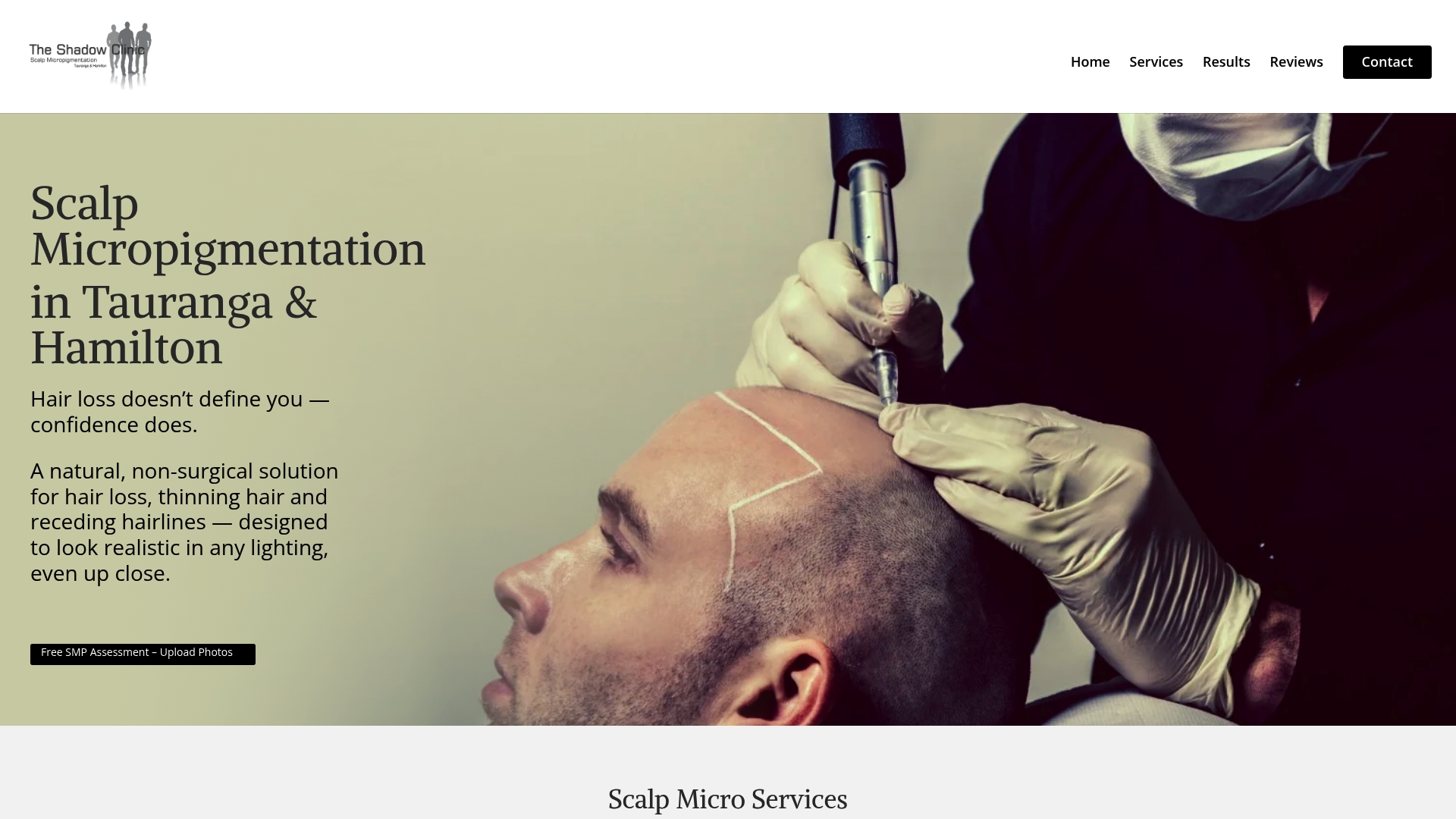
If you are comparing alopecia coverage treatments and want a solution that delivers results from day one, scalp micropigmentation at Theshadowclinictauranga is worth serious consideration. SMP replicates the natural look of hair follicles using precisely matched pigments, with no surgery, no scarring, and no recovery time. Whether you are managing alopecia areata, alopecia totalis, or androgenetic alopecia, the team at The Shadow Clinic Tauranga tailors every treatment to your skin tone and hair type for a result that looks completely natural. Explore SMP services in Tauranga and Hamilton and take the first step toward restoring your confidence today.
FAQ
What is the best treatment for alopecia areata?
The best treatment depends on severity. Intralesional corticosteroids are first-line for mild to moderate patchy alopecia areata, while JAK inhibitors like baricitinib, ritlecitinib, and deuruxolitinib are recommended for severe cases.
How long do alopecia treatments take to work?
Most topical and intralesional treatments show results within 8 to 12 weeks. JAK inhibitors are assessed at 24 to 36 weeks using SALT scores, which is the standard clinical benchmark for measuring scalp hair regrowth.
Can alopecia areata go away on its own?
Yes. Spontaneous hair regrowth within a year occurs in roughly one-third to one-half of mild alopecia areata cases, making watchful waiting a clinically valid approach for recent-onset, limited disease.
Is scalp micropigmentation suitable for alopecia?
SMP is suitable for most alopecia types including alopecia areata, alopecia totalis, and androgenetic alopecia. It does not regrow hair but creates an immediate, realistic appearance of hair follicles with no downtime.
What are the risks of JAK inhibitors for alopecia?
JAK inhibitors carry a monitoring requirement for infections, elevated lipids, and cardiovascular risk. Discontinuation frequently leads to relapse, meaning long-term use is typically required to maintain regrowth.