
Non-invasive baldness solutions are clinically validated therapies that restore hair density and slow hair loss without surgery or scalp incisions. The most effective approach in 2026 combines oral minoxidil and finasteride, which stabilises hair loss in 92.4% of patients over 12 months. Adjunct treatments including Platelet-Rich Plasma (PRP) therapy and Low-Level Laser Therapy (LLLT) further improve regrowth and density when layered into a personalised regimen. Whether you are dealing with male pattern baldness, a receding hairline, or alopecia, the right non-invasive hair loss treatment plan can deliver meaningful, natural-looking results. Commitment and realistic timelines are non-negotiable parts of the process.
How do non-invasive baldness solutions compare?
When you compare hair restoration techniques side by side, four treatments dominate the evidence base: topical and oral minoxidil, finasteride, PRP, and LLLT. Each works through a different mechanism, which is why combining them outperforms any single approach.
Minoxidil is a vasodilator that widens blood vessels around hair follicles, prolonging the growth phase of the hair cycle. Topical minoxidil (2% or 5% solution or foam) is applied directly to the scalp once or twice daily. Oral minoxidil, typically dosed at 0.625mg to 2.5mg daily, delivers systemic follicle stimulation and suits people who find topical application inconvenient. Both forms require consistent daily use to maintain results, with visible regrowth expected after three to six months.

Finasteride is a 5-alpha reductase inhibitor that blocks the conversion of testosterone to dihydrotestosterone (DHT), the hormone responsible for follicle miniaturisation in male pattern baldness. Taken as a 1mg daily oral tablet, finasteride maintains or increases hair count in 83 to 90% of men at two years. Women with androgenetic alopecia may use spironolactone, an anti-androgen with a comparable mechanism, under medical supervision.
PRP therapy involves drawing a small amount of your blood, concentrating the platelet-rich plasma, and injecting it into the scalp. The growth factors in platelets stimulate dormant follicles and improve scalp vascularity. PRP produces a mean increase of 33.6 hairs per cm² after six months, making it one of the more measurable regenerative options available without surgery.
LLLT uses low-energy red or near-infrared light to stimulate follicle metabolism through a process called photobiomodulation. Devices range from in-clinic laser caps to FDA-cleared at-home helmets. According to ISHRS experts, LLLT enhances minoxidil effectiveness but is not a standalone cure for significant baldness. It works best as an adjunct layered onto a medication-based regimen.
Emerging options worth noting include Alma TED (TransEpidermal Delivery), which uses ultrasound and air pressure to push topical minoxidil deeper into the scalp without needles, and microneedling, which creates micro-channels in the scalp to improve topical absorption and follicle stimulation beyond what topical treatment achieves alone.
Pro Tip: If you are starting a non-invasive regimen for the first time, pair topical or oral minoxidil with microneedling sessions every two to four weeks. The combination accelerates absorption and produces faster visible results than either approach used alone.
Effectiveness, cost, and side effects compared
The table below summarises the key trade-offs across the four primary non-surgical baldness options.
| Treatment | Effectiveness | Typical cost | Timeline | Key side effects |
|---|---|---|---|---|
| Oral minoxidil + finasteride | 92.4% stabilisation rate | $240 to $720 per year | 3 to 6 months | Fluid retention, libido changes, FDA mental health warning for finasteride |
| PRP therapy | +33.6 hairs per cm² at 6 months | $500 to $1,500 per session | 3 monthly sessions, then annual | Mild scalp soreness, bruising |
| LLLT (laser cap/helmet) | Adjunct benefit; not standalone | $200 to $3,000 device cost | 6 to 12 months | Minimal; occasional scalp warmth |
| Topical minoxidil (5%) | Moderate regrowth in most users | $240 to $480 per year | 3 to 6 months | Scalp irritation, unwanted facial hair |
Cost accumulates differently depending on the treatment path. Generic minoxidil and finasteride cost $240 to $720 per year combined, making them the most affordable long-term option. PRP requires a loading phase of three monthly sessions at $500 to $1,500 each, followed by annual maintenance. That adds up to $1,500 to $4,500 in the first year alone. Surgical hair transplants, by contrast, range from $7,000 to $25,000 as a one-off investment. Non-invasive treatments are cheaper month to month but require indefinite commitment.
How The Shadow Clinic Tauranga supports your hair restoration goals
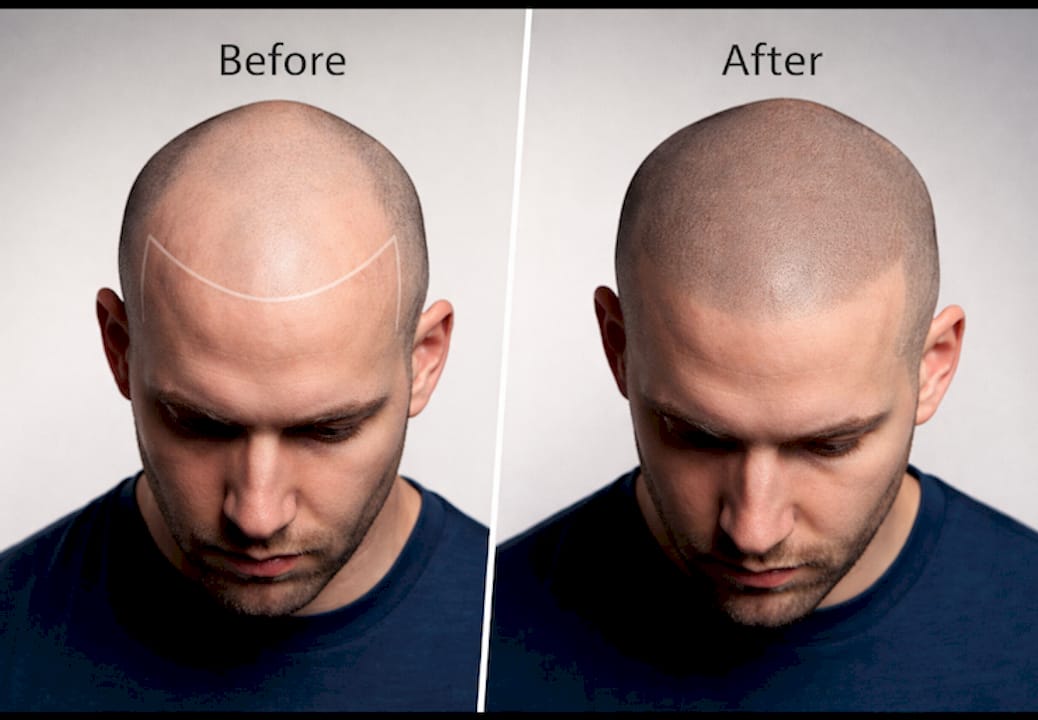
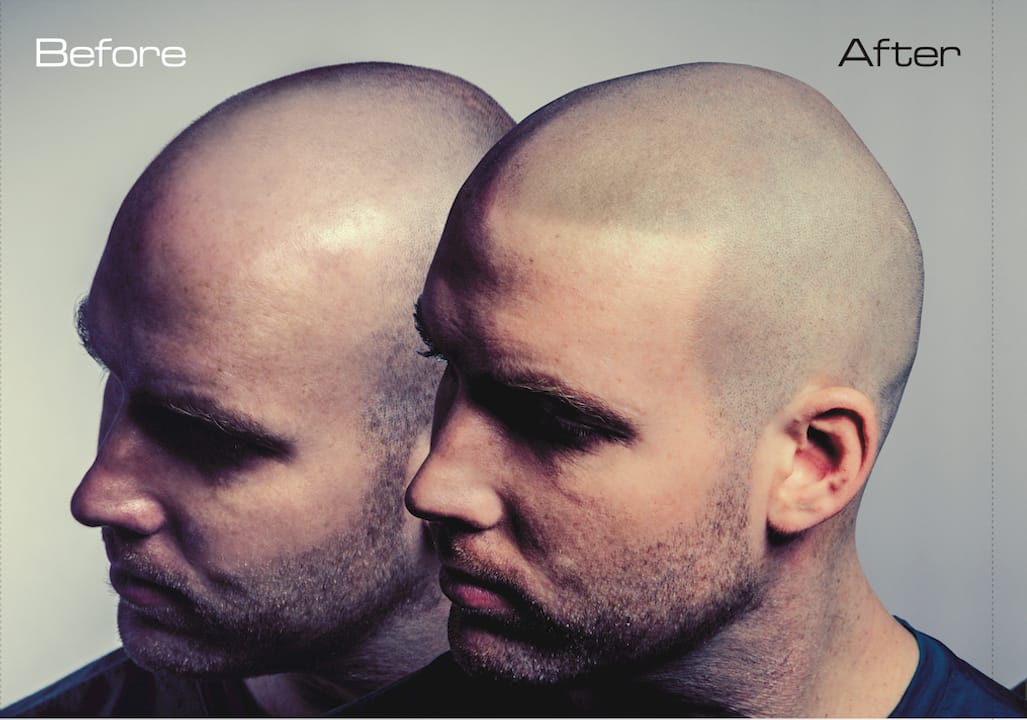
Not every non-invasive solution works through regrowth. For patients at moderate to advanced stages, or those who want immediate visible density while their medical regimen takes effect, scalp micropigmentation (SMP) is a powerful complement. The Shadow Clinic Tauranga specialise in SMP for hair loss, using precision pigment placement to replicate the natural appearance of hair follicles across the scalp. Results are immediate, require no downtime, and last three to five years. SMP works alongside minoxidil, finasteride, and PRP rather than replacing them, giving you the confidence of visible density while your biological treatments do their work.
FAQ
When should I consider scalp micropigmentation instead of medical treatment?
SMP is worth considering when hair loss is advanced and medical treatments cannot restore meaningful density, or when you want immediate visible results while a biological regimen takes effect.
Recommended