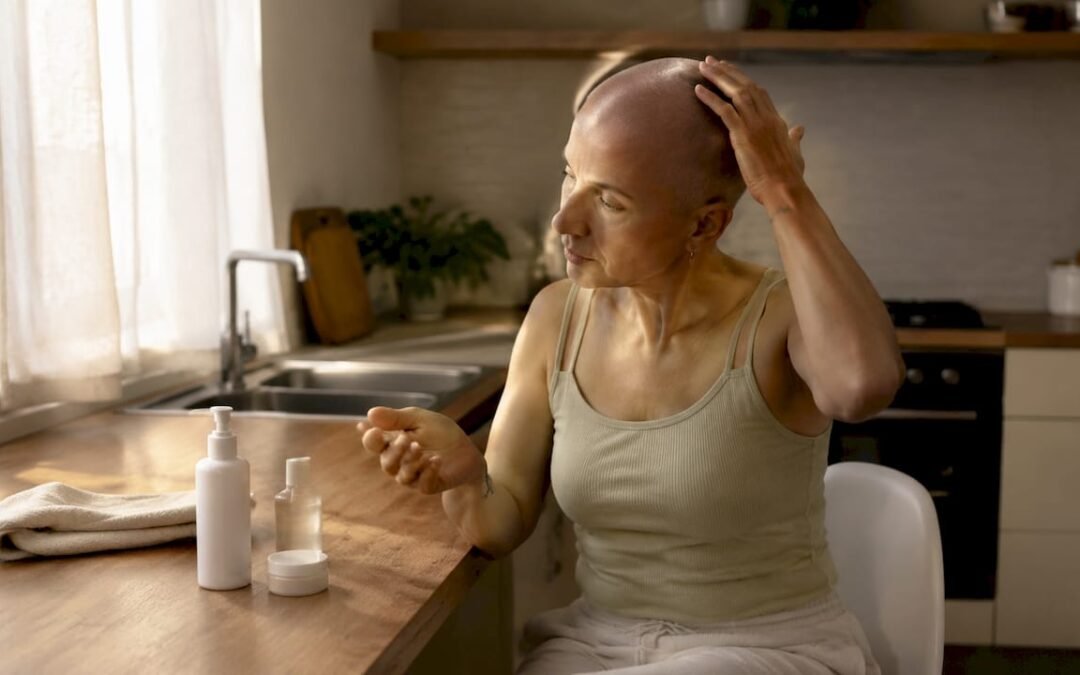
Post-treatment skincare for an alopecia-affected scalp is the practice of gentle cleansing, moisturising, sun protection, and avoiding irritants to promote scalp healing and support hair regrowth. Whether you have completed chemotherapy, corticosteroid injections, or immunotherapy for alopecia areata, your scalp emerges from treatment in a sensitised, reactive state that requires deliberate care. Hair typically begins to regrow 3 to 6 months after chemotherapy, and the quality of that regrowth depends heavily on what you do in the weeks before it starts. Fragrance-free cleansers, ceramide-based moisturisers, and broad-spectrum SPF 30 or higher sunscreen form the foundation of any effective post-treatment scalp care routine.
What products and ingredients protect your scalp after alopecia treatment?
The first rule of post-treatment skincare for an alopecia scalp is to reduce the product load, not increase it. Your scalp barrier is compromised, and every additional ingredient is a potential irritant. The goal is to cleanse gently, restore moisture, and shield exposed skin from UV damage.
Cleansers and shampoos
Choose sulfate-free, fragrance-free shampoos formulated for sensitive scalps. Sulfates strip the natural lipid barrier, which is already weakened after treatment. Products containing mild surfactants such as cocamidopropyl betaine or sodium lauroyl sarcosinate clean the scalp without further disrupting the moisture barrier. Wash your hair no more than two to three times per week during early recovery to avoid over-drying.
Moisturisers and barrier repair
A single ceramide-containing moisturiser applied once daily is more effective than layering multiple products. Applying multiple moisturising layers causes occlusion-induced irritation on post-procedure scalps, which can set back healing by days or weeks. Look for formulas that combine ceramides, glycerin, and hyaluronic acid. These ingredients attract and retain water in the skin without blocking follicles. Avoid heavy oils such as castor oil or coconut oil during the acute recovery phase, as these can occlude pores and trigger breakouts on sensitised skin.
Sun protection
Exposed scalp skin is highly vulnerable to UV damage, particularly when hair is absent or sparse. Broad-spectrum SPF 30 or higher sunscreen applied daily is the standard recommendation from dermatologists for alopecia-affected scalps. Mineral sunscreens containing zinc oxide or titanium dioxide are preferable to chemical filters because they sit on the skin surface rather than being absorbed, reducing the risk of irritation. A wide-brimmed hat or UV-protective head covering provides additional defence during outdoor activities.
What to avoid
- Dyes, bleach, and chemical perms. Harsh chemical treatments stress fragile new hair and damage the healing scalp barrier.
- Scalp scrubs and exfoliants. Mechanical abrasion on sensitised skin causes micro-tears that invite infection.
- Alcohol-based tonics or astringents. These strip moisture and worsen barrier disruption.
- Medicated dandruff shampoos used without clinical guidance. Premature use of medicated shampoos worsens moisture barrier disruption in post-treatment alopecia scalps.
Pro Tip: Always patch test a new product on the inside of your wrist for 24 hours before applying it to your scalp. Scalp skin is thinner and more reactive than forearm skin, so a wrist test is a minimum precaution, not a guarantee. If redness or itching appears, discontinue immediately.
How to build a daily scalp care routine after alopecia treatment
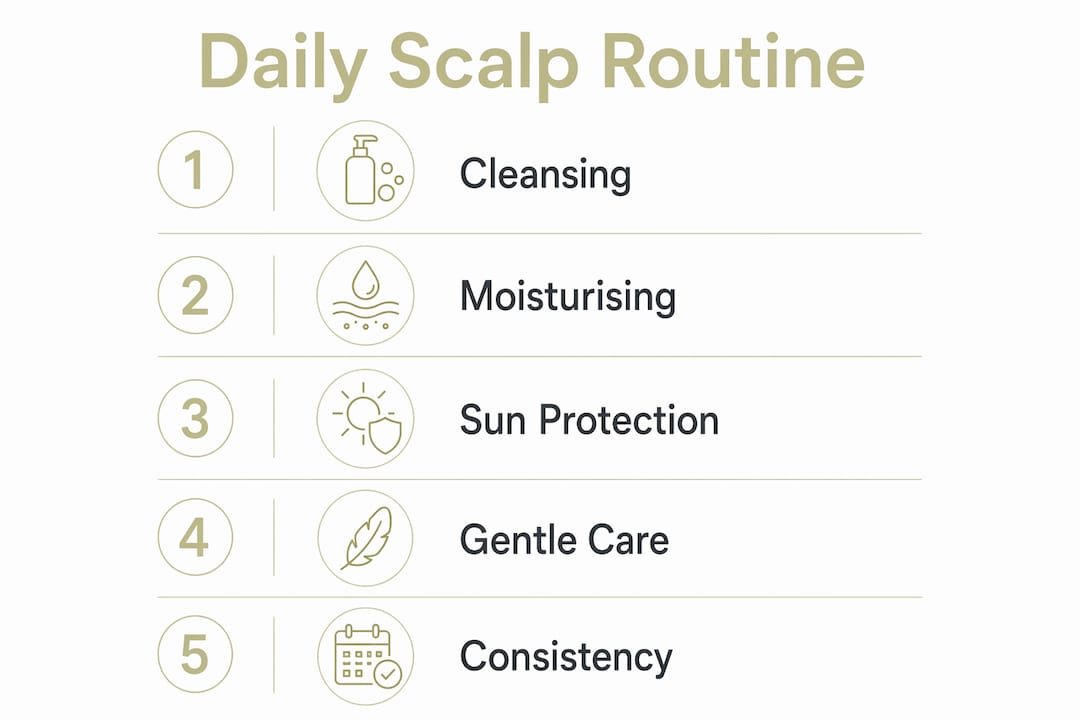
A consistent alopecia skincare routine does not need to be complicated. The steps below are ordered to minimise irritation while maximising barrier repair.
- Cleanse with lukewarm water. Hot water dilates blood vessels and increases scalp sensitivity. Use water that feels comfortable on the inside of your wrist, not your hand, which is less sensitive.
- Apply a sulfate-free shampoo to the scalp only. Work it in with your fingertips using light circular motions. Avoid fingernails, which can scratch and introduce bacteria.
- Rinse thoroughly. Shampoo residue left on the scalp is a common cause of itching and flaking in recovery.
- Pat dry with a soft microfibre towel. Rubbing with a standard cotton towel creates friction that damages fragile new follicles. Pat gently and allow the scalp to air-dry for several minutes before applying any product.
- Apply your ceramide moisturiser. Use a small amount, roughly the size of a 20-cent coin, and spread it evenly across exposed areas. Do not rub vigorously.
- Apply sunscreen if going outdoors. Wait five minutes after moisturising before applying sunscreen so the barrier product can absorb first.
- Cover with a hat or head covering if needed. Physical protection is always preferable to relying on sunscreen alone for extended outdoor exposure.
The table below summarises the routine with key tips for each step.
| Step | What to do | Key tip |
|---|---|---|
| Cleansing | Sulfate-free, fragrance-free shampoo, 2 to 3 times per week | Use lukewarm water only |
| Drying | Pat with microfibre towel, then air-dry | Never rub or use heat |
| Moisturising | One ceramide-based product, once daily | Less is more on reactive scalps |
| Sun protection | Mineral SPF 30 or higher on exposed areas | Apply after moisturiser has absorbed |
| Physical cover | Wide-brimmed hat or UV-protective cap outdoors | First line of defence in summer |
New hair may initially grow softer or with a different texture than your original hair, and consistent scalp care supports its eventual normalisation. Patience with this routine pays dividends over months, not days.
Common mistakes that slow scalp recovery after alopecia treatment
Most setbacks in post-therapy scalp care come from doing too much, not too little. These are the errors that dermatologists and scalp clinicians see most often.
- Over-moisturising. Applying thick layers of multiple products in the belief that more moisture means faster healing. A less-is-more strategy using one fragrance-free, ceramide-containing product is the most effective approach for reactive scalp skin.
- Switching to medicated shampoos too early. Anti-dandruff shampoos containing zinc pyrithione, selenium sulphide, or ketoconazole are therapeutic agents, not gentle cleansers. Using them before the scalp barrier has stabilised can worsen irritation significantly.
- Skipping sun protection. Many people focus on moisturising but neglect UV protection. A single day of sunburn on a sensitised, hairless scalp can set recovery back by weeks and cause lasting pigmentation changes.
- Scratching or picking at flaking skin. Itchiness is common during healing, but scratching introduces bacteria and damages follicles that are in the early stages of regrowth.
- Ignoring persistent symptoms. If redness, oozing, or significant hair loss continues beyond expected timelines, dermatology oversight is recommended to adjust treatments and rule out secondary infection.
Pro Tip: For itchiness, apply a small amount of your ceramide moisturiser to the affected area and press gently with a clean fingertip. The pressure and moisture usually relieve the itch without causing damage. Avoid antihistamine creams unless prescribed, as some contain fragrances that worsen irritation.
Recognising inflammation must be controlled before follicle stimulation is the single most important principle in troubleshooting a stalled recovery. If your scalp is red, itchy, or flaking, that is a signal to simplify your routine, not add more products.
How lifestyle factors support scalp recovery after alopecia treatment
Topical care addresses the surface, but scalp recovery happens from the inside out. These lifestyle factors have a direct, measurable effect on how well your scalp heals and how quickly hair regrows.
- Sleep and stress management. Stabilising nervous system regulation via sleep and stress control is as vital as topical treatments for hair follicle health. Chronic stress elevates cortisol, which suppresses immune function and can trigger alopecia areata relapse. Aim for seven to nine hours of sleep per night and consider evidence-based stress reduction practices such as mindfulness-based stress reduction (MBSR) or cognitive behavioural therapy (CBT).
- Nutrition. Protein, zinc, iron, and omega-3 fatty acids are the four nutrients most directly linked to hair follicle function. Lean meats, legumes, leafy greens, eggs, and oily fish such as salmon or mackerel provide these in bioavailable forms. Deficiencies in iron and zinc are particularly common after chemotherapy and worth checking via a blood test.
- Avoiding smoking and excessive alcohol. Both impair microcirculation to the scalp and slow tissue repair. Smoking reduces oxygen delivery to follicles; alcohol disrupts zinc absorption, which is already at risk post-treatment.
- Gentle scalp massage. A two to three minute daily massage using your fingertips increases blood flow to the scalp without the risks of mechanical irritation from brushes or tools. Use no oil during the acute recovery phase.
- Weather and exercise protection. Cold, dry air strips moisture from exposed scalp skin. In winter, wear a soft cotton or bamboo beanie rather than synthetic fibres, which can cause friction and static. After exercise, rinse sweat from the scalp promptly with cool water, as salt and lactic acid in sweat can irritate sensitised skin.
The transition from active treatment to maintenance phase is both physical and emotional. Patience and consistency across all of these lifestyle factors, not just topical care, determine the quality of your long-term recovery. You can find additional guidance on scalp care and hair loss solutions at the Shadow Clinic blog.
Key takeaways
Effective post-treatment scalp care for alopecia requires a gentle, consistent routine built on fragrance-free cleansers, ceramide moisturisers, and daily sun protection, supported by sleep, nutrition, and stress management.
| Point | Details |
|---|---|
| Simplify your product routine | One ceramide-based moisturiser outperforms layering multiple products on reactive scalps. |
| Prioritise sun protection | Apply mineral SPF 30 or higher daily to all exposed scalp areas. |
| Avoid medicated shampoos early | Use gentle, sulfate-free cleansers until the scalp barrier has stabilised. |
| Support recovery from within | Sleep, protein, zinc, and iron are as important as topical care for follicle health. |
| Seek professional guidance | Consult a dermatologist if redness, oozing, or hair loss persists beyond expected timelines. |
What I have learned about scalp recovery and confidence
Working with clients at Theshadowclinictauranga who are navigating life after alopecia treatment has taught me one thing above all else: the scalp is not just skin. It carries an enormous emotional weight, and the way you care for it in the months after treatment shapes not just your physical recovery but your sense of self.
The most common mistake I see is people treating their scalp like a problem to be solved aggressively. They layer on oils, switch between products weekly, and reach for the strongest thing on the shelf. The scalp responds to that approach with more inflammation, more sensitivity, and slower regrowth. The clients who recover best are the ones who commit to doing less, and doing it consistently.
There is also something worth saying about the emotional side of this. Alopecia and its treatments affect how you look, and that affects how you feel in the world. Rebuilding confidence is not vanity. It is a legitimate part of recovery. Whether that means finding a hat you love, exploring scalp micropigmentation as a cosmetic option, or simply having a skincare routine that makes you feel cared for, every step counts. The post-treatment skincare tips for sensitive skin that work best are the ones you will actually follow every day. Simplicity wins.
— Dean
Explore scalp micropigmentation as a confidence option
For many people recovering from alopecia, the physical healing is only part of the picture. Restoring the appearance of a full, natural hairline can make a profound difference to confidence and daily life.
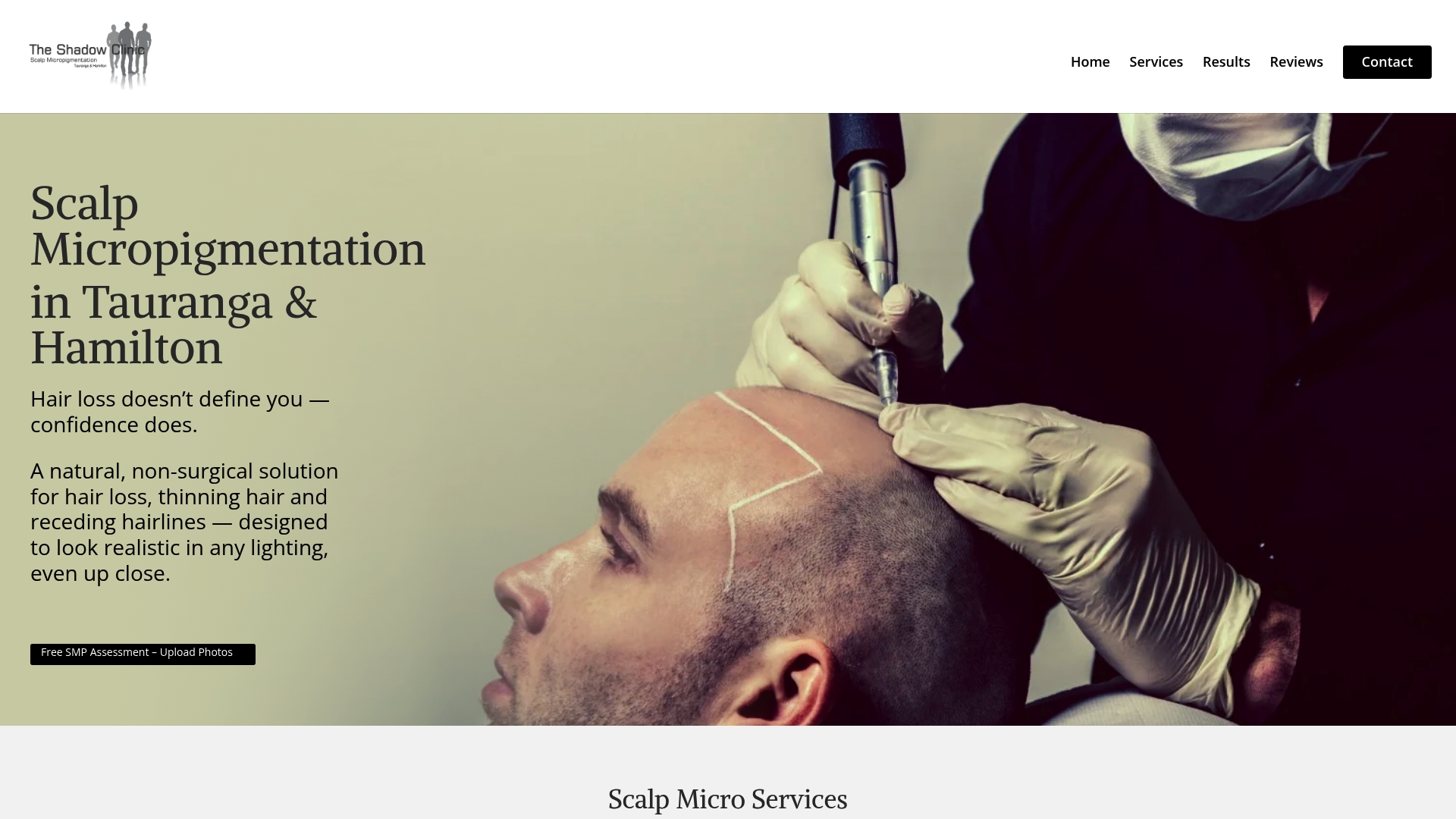
Theshadowclinictauranga specialises in scalp micropigmentation (SMP), a non-surgical technique that replicates the appearance of natural hair follicles on the scalp. It is suitable for a range of alopecia types and can be tailored precisely to your skin tone and the pattern of your hair loss. If you are ready to explore your options, visit The Shadow Clinic Tauranga to learn more or book a consultation. You can also compare your options on the SMP vs hair transplant page if you are weighing up different approaches.
FAQ
What is the best cleanser for an alopecia scalp after treatment?
A sulfate-free, fragrance-free shampoo is the safest choice for treating your scalp after hair loss treatment. Avoid medicated dandruff shampoos until your scalp barrier has fully stabilised, as these can worsen irritation on sensitised skin.
How soon can I use hair products after alopecia treatment?
Gentle, fragrance-free moisturisers and cleansers can be used from the start of recovery, but harsh chemical treatments such as dyes and bleach should be avoided until your dermatologist confirms the scalp has healed. Hair typically begins to regrow 3 to 6 months after chemotherapy ends.
Does sunscreen really matter for an alopecia scalp?
Broad-spectrum SPF 30 or higher is strongly recommended for daily use on exposed scalp areas, as post-treatment skin is significantly more sensitive to UV damage. Mineral sunscreens containing zinc oxide are the gentlest option for reactive scalps.
Why is my scalp still itchy after treatment?
Itchiness during recovery is common and usually reflects barrier disruption rather than infection. Apply a small amount of ceramide moisturiser and press gently rather than scratching. If itching is severe or accompanied by redness and oozing, consult a dermatologist promptly.
Can scalp micropigmentation be done after alopecia treatment?
Scalp micropigmentation is a viable option for many people after alopecia treatment and can be personalised to match individual skin tones and hair loss patterns. A consultation with a qualified SMP practitioner such as those at Theshadowclinictauranga will confirm suitability based on your specific scalp condition and recovery stage.